






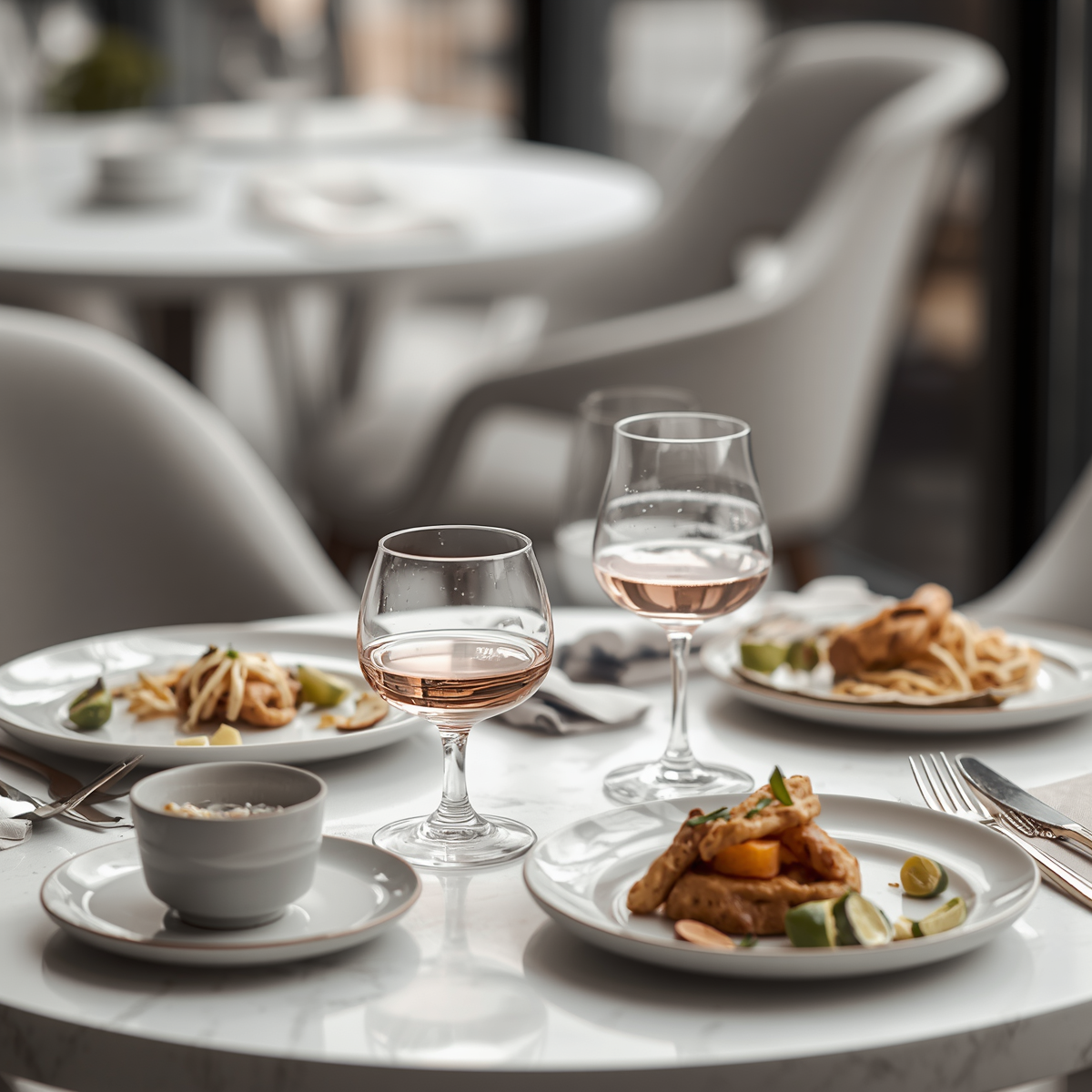
From drinking culture to mindful drinking — a new generation is changing the way we drink
There used to be this feeling that if nobody got drunk at the end of a party, something was missing.
Alcohol was there to keep the energy going, make people open up, and sometimes even prove friendship or connection.
But that mindset is slowly changing.
More and more people are starting to ask a question that didn’t come up much before:
Do we actually need to get drunk?
It’s not about quitting alcohol completely.
It’s about choosing how we drink.
Not avoiding alcohol, but rethinking the role it plays in our lives.
And honestly, this shift is already happening all around us.
Restaurants are adding more low-ABV cocktails and non-alcoholic drinks to their menus. More people are realizing that being slightly buzzed — not wasted — actually feels better.
This month, I want to talk about something that’s becoming very obvious, but still not talked about enough:
We’re entering a generation where drinking is no longer about getting drunk.
From Drinking Culture to Choice Culture
In the past, drinking culture was pretty simple.
You could choose not to drink, but once you started, things usually went in the same direction — more drinks, faster pace, eventually getting drunk.
Now, that path is starting to split.
More people are choosing to stop at “just enough”:
a little relaxed, a little happy, but still clear-minded.
There’s even a growing term for this mindset:
sober curious — becoming interested in not getting drunk.
It doesn’t mean rejecting alcohol completely.
It means redefining your relationship with it.
Drinking becomes a choice, not a habit.
It’s About More Than Health
A lot of people explain this trend as simply “being healthier.”
And yes, drinking less alcohol obviously affects your body in a positive way.
But health is only part of the story.
What’s really changing is people’s desire to feel more in control of their lives.
As work and personal life become more blurred,
and socializing no longer only happens late at night over drinks,
people are starting to ask themselves:
Am I drinking this because I want to — or because the situation expects me to?
That’s why “not getting drunk” feels less like self-control and more like self-awareness.
It’s not about restriction.
It’s about clarity.
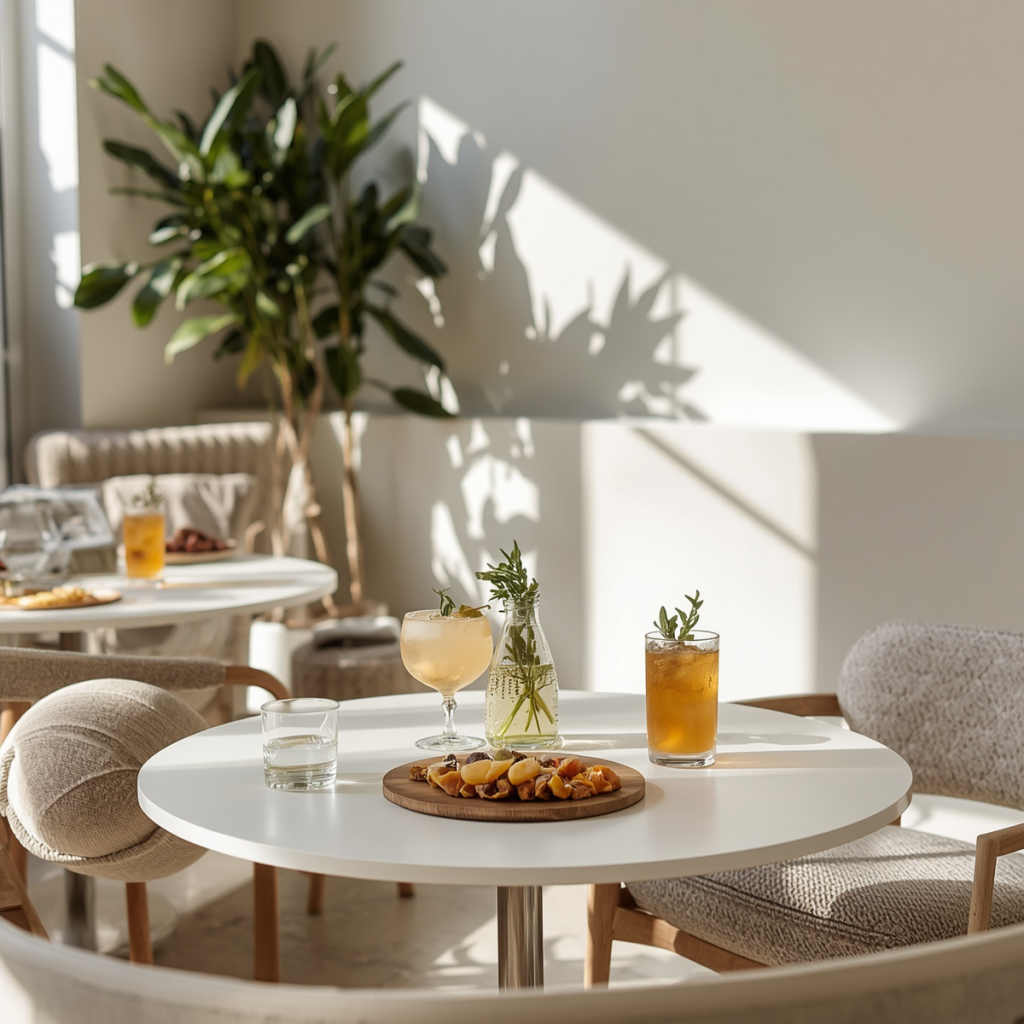
Alcohol Is Returning to Its Original Place
Once getting drunk is no longer the goal, alcohol itself starts to change roles.
People pay more attention to flavor.
Where it’s made, the ingredients, the brewing or aging process — these things become more important than simply how strong the alcohol is.
At the table, drinks are no longer just background support, but they’re not the main focus either.
They become part of the overall experience:
the food, the pace of the evening, the mood of the moment.
That’s also why low-alcohol drinks, non-alcoholic beer, and even alcohol-free wine are finally being taken seriously.
They’re no longer seen as “substitutes.”
They’re becoming a category of their own.
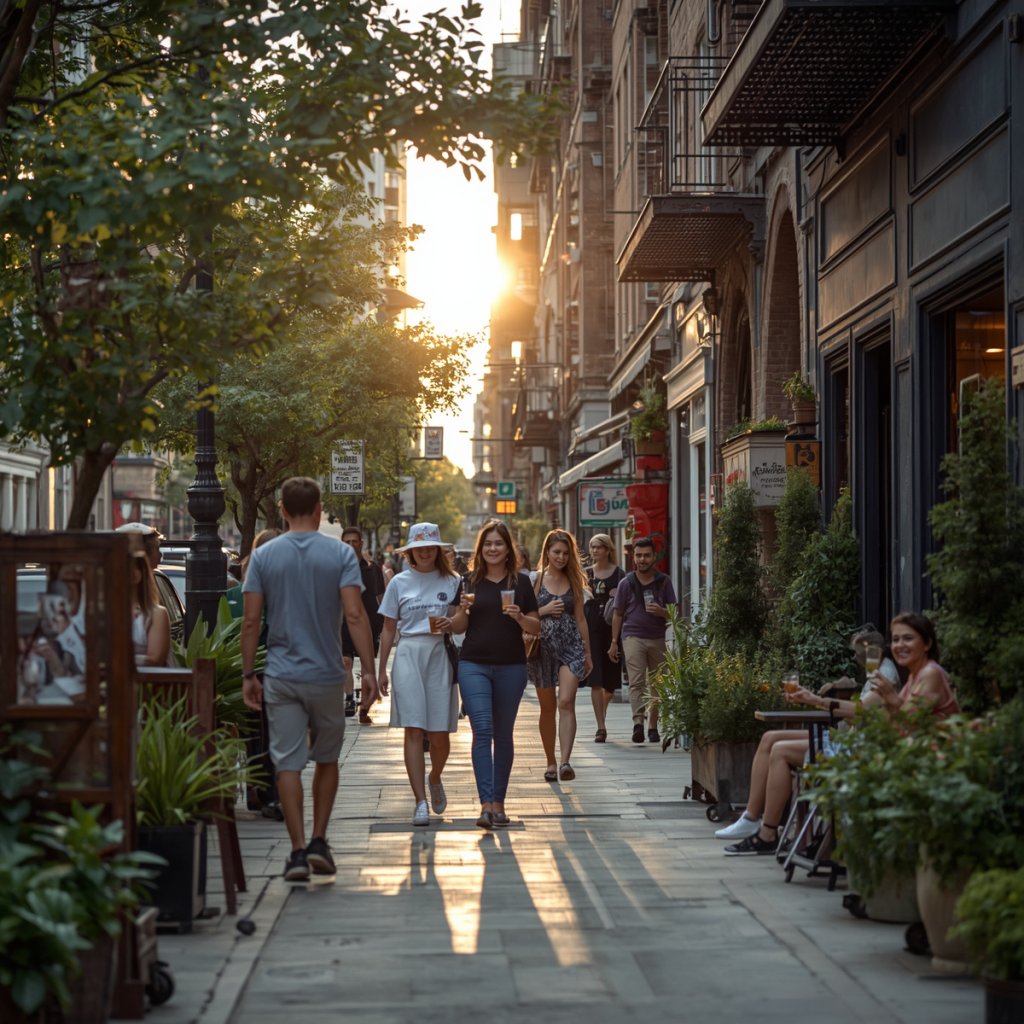
Drinking While Staying Clear-Headed
If I had to describe this shift in one sentence, it would be this:
We didn’t stop drinking.
We just changed the way we drink.
Wine pairings at lunch now feel normal.
A meal can include drinks with different alcohol levels.
Even an entire gathering can stay in the “pleasant buzz” zone instead of becoming completely out of control.
And that’s changing the meaning of what “drinking well” actually means.
It’s not about drinking more.
It’s about drinking with intention.
Not chasing intensity,
but chasing balance.
So How Should We Understand This New Era?
This generation that “doesn’t need to get drunk” isn’t anti-alcohol.
It’s simply putting alcohol back into a healthier, more reasonable place in life.
In the next few articles, I’ll continue exploring this shift from different angles:
- How alcohol brands are developing low- and no-alcohol products
- How restaurants and the market are adapting to these new drinking habits
- And as someone who has worked in the alcohol industry for years, how I personally started rethinking what drinking really means
Maybe in the end, we’ll realize that what’s changing isn’t just alcohol levels.
It’s the way we choose to live.




 No Alcohol